If you have been typing buy a business London Ontario near me into search boxes and coming up dry or overwhelmed, you are not alone. London sits in that Goldilocks zone for acquisitions: large enough to offer variety, small enough that word of mouth still moves the market. The city has a steady stream of owners who are ready to retire, plus a new wave of buyers arriving with corporate severance, immigration capital, or a desire to skip the startup grind. You will find everything from HVAC and trades shops to e‑commerce brands, medical clinics, light manufacturing, distribution, and neighborhood food service, often within a 20 minute drive.
I have worked both sides of the table here, as buyer and adviser, and learned that London rewards buyers who act politely yet decisively. The best opportunities rarely dress themselves up for public viewing. They show up as a call from a broker after hours, a quiet note on a door, or a conversation after a chamber breakfast. The routes that lead you there feel a little like chasing a sunset: you move, the colors shift, and you keep going until they settle into something you can hold.
What I mean by “Liquid Sunset”
Owners sell for three big reasons: age, burnout, or a new opportunity. The first two show up like a sunset, gradual and predictable if you are watching. The “liquid” part is about making the transition smooth for both sides. You are not just trading assets. You are keeping staff, customers, and supplier relationships intact.
You might see search phrases like liquid sunset business brokers near me or sunset business brokers near me floating around online. Whether or not a firm actually carries that name, the idea is useful. You want a broker or adviser who specializes in end‑of‑day deals, where a seller leaves on good terms, and the buyer steps into a living enterprise with minimal disruption. That ethic matters more than brand names.
Where the deals live in London
You can start with the visible market, the same places everyone else checks: BizBuySell, Business Exchange, local brokerage websites, and LinkedIn. A quick search for business for sale in London Ontario near me will surface a rotating cast of auto repair, quick service restaurants, online retailers, and professional practices. If you prefer a wider net, companies for sale London near me and businesses for sale London Ontario near me often reach accounting firms and corporate finance boutiques who carry mid‑market mandates.
But the visible market is not the whole story. London still runs on introductions. A quiet email to a supplier rep, a coffee with a property manager, or a chat with a retiring accountant can beat six months of scrolling. When people say off market business for sale near me, they usually mean this shadow layer where the owner would sell, but not if it means broadcasting to staff or competitors.
If you prefer a guide, look for a business broker London Ontario near me with real recent transactions you can verify. Ask for anonymized case studies, not just listings. A good broker will warn you when a deal is not for you and will not push you past your comfort on price or terms.
Four primary routes that work
- Public listings: broker sites, industry classifieds, and aggregator platforms. Useful for pattern recognition and for new buyers to practice underwriting. Quiet broker networks: sign NDAs and express preferences. You will get first look at small business for sale London near me options before they hit public pages. Direct outreach: pick 30 targets you actually want to run, then write short notes to owners with clear intent and respect for privacy. Professional referrals: ask bankers, accountants, lawyers, and landlord reps. They often hear about a business for sale in London near me months before a teaser appears.
I have seen buyers stitch together two or three of these and close within six months. Others wandered for years because they refused to leave the first route.
What you will find by neighborhood and sector
London is a ring of commercial corridors. Near Western University and Fanshawe College, you will see food service, copy shops, and student‑focused retailers. Out by Innovation Park and the airport, light manufacturing and distribution dominate, often with second generation ownership. In the east and south industrial pockets, trades, auto repair, and logistics find space with reasonable rents and room to grow.

Healthcare services, dental labs, and physio clinics sit across the city. These can be attractive, but they carry regulatory steps and staffing sensitivity. Do not treat a clinic like a sandwich shop, even if the top line revenue looks similar.
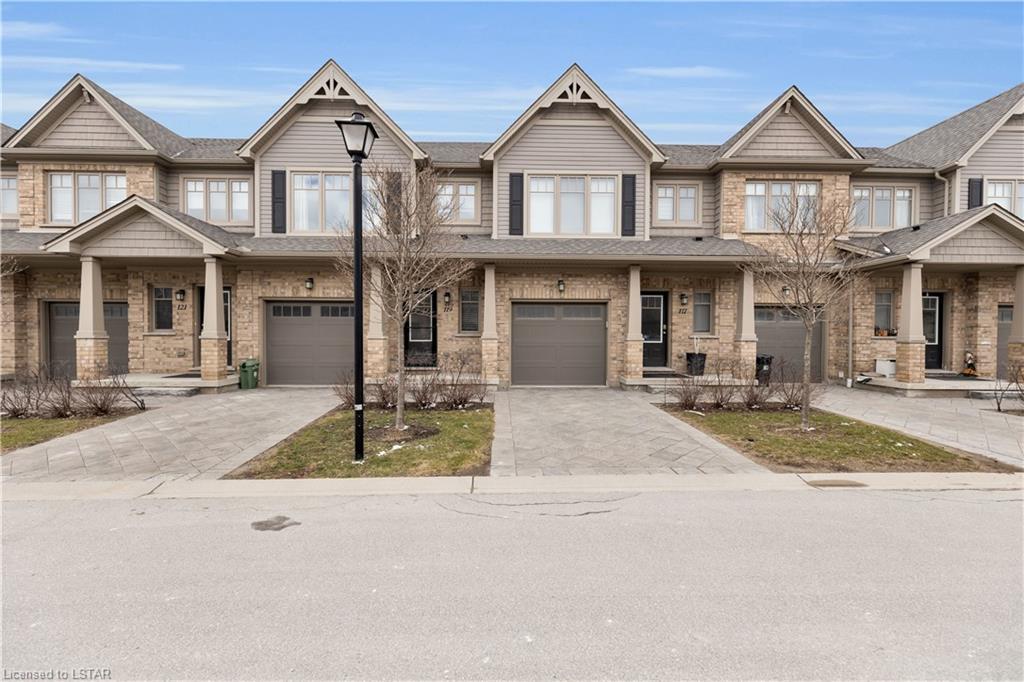
The 401 and 402 corridors keep logistics humming. The St. Thomas battery plant project has already started to ripple through supplier demand, land prices, and labor competition. Expect certain shops in metal fabrication, electrical, and transport to price in that future tailwind.
Pricing reality, not fairy tales
Main street deals in London, with Seller’s Discretionary Earnings under 750,000 dollars, tend to trade at 2 to 3.5 times SDE. Clean financials, repeatable revenue, and a stable team push the multiple up. Customer concentration, landlord uncertainty, or a heavy owner‑operator role push it down. For example, an HVAC contractor with 550,000 dollars SDE, low churn service agreements, and licensed techs might clear 3.2 to 3.6 times. A quick service restaurant with a thin lease tail and shaky labor could sit at 1.8 to 2.2.
Once you pass roughly 1.5 to 2 million in EBITDA, the conversation shifts to EBITDA multiples. In that band, 4 to 6 times is common for solid industrial or B2B service businesses, sometimes higher with proprietary processes, contracts, or a strategic buyer at the table. Very asset heavy firms sometimes sell closer to the value of equipment and inventory if earnings are depressed, but that usually signals a turnaround play, not a going concern premium.
Do not forget working capital. Many first time buyers fixate on enterprise value and forget that you need receivables, inventory, and cash to run the place the day you close. A typical small deal includes a normalized level of working capital, or you negotiate a target with a post‑close true up. Set it in the Letter of Intent. If you do not, you can lose six figures of operational runway without realizing until week two.
Financing that actually closes in Ontario
Most closed deals I see in London are a three leg stool: buyer cash, senior debt, and a vendor take back.
Bank debt: The big five will finance assets, real estate, and in some cases goodwill, especially if cash flow is robust and the buyer’s personal net worth is healthy. Amortizations often run 5 to 10 years for term debt, shorter for equipment. Relationship managers prefer transactions with experienced operators, but they will work with first timers if the cash flow coverage is strong and there is a personal guarantee.
BDC: The Business Development Bank of Canada has acquisition financing that fills the gap when goodwill is high. Expect blended rates above prime and longer amortizations, sometimes 7 to 12 years, with flexible structures. BDC likes deals with tested cash flows and a buyer who can show operational credibility. They also care about a thoughtful transition plan with the seller.
Vendor take back: In London, a 10 to 40 percent VTB is common, interest only for the first year or two, amortized over 3 to 5 years, secured behind bank debt. Sellers accept this because it widens the buyer pool and often nudges the price. Buyers accept it because it keeps the seller engaged, reduces cash outlay, and signals confidence.
Government programs: The Canada Small Business Financing Program has broadened eligible expenses over the last few years, including some intangibles and working capital in certain cases. This can help on smaller acquisitions, especially asset purchases with heavy equipment or leaseholds. Confirm specifics with your lender, because details change and vary by bank.
Cash injection: Plan for 10 to 30 percent equity from the buyer side, sometimes more if the business is light on assets. If you do not have it, consider a staged deal or look at a smaller target to start.
Asset purchase or share purchase
In Ontario, both structures are common. Asset purchases let buyers cherry pick assets and leave behind unwanted liabilities, but you might trigger HST on tangible assets and face new contracts for suppliers, leases, and employees. Share purchases give you continuity, including contracts and licenses, but you inherit history, good and bad. Sellers often prefer share deals for tax reasons, including lifetime capital gains exemptions if they qualify.
If you buy assets, ask your accountant about the section 167 election under the Excise Tax Act. When you acquire all or substantially all of a business and both parties are HST registrants, you can elect to avoid charging HST at closing on qualifying assets. That election does not reduce total price, but it protects cash flow.
Employment matters count. Under an asset sale, you will need to offer employment to staff, often on the same terms, to avoid termination liabilities. Under a share sale, employees generally continue automatically, but you also take on accrued vacation, benefits, and potential claims. Get clear counts, wage bands, tenure, and any union agreements early.
If the business touches regulated activities, pause and test for specific risks. Auto shops bring environmental questions like waste oil handling and floor drains. Food plants face CFIA standards. Health providers navigate college rules and privacy obligations. For each, line up specialized diligence, not just a generalist lawyer.
Landlords, leases, and the trap doors
Many small acquisitions wobble at the lease assignment. Do not assume consent. Some London landlords move fast and support transfers, especially in modern plazas with professional managers. Others take weeks, ask for personal guarantees, or demand higher rents. Watch for https://www.4shared.com/s/fuyAfaCRwjq demolition or redevelopment clauses, short options, and relocation rights.
Ask for a full copy of the lease within the first week of diligence. If the lease is in year 7 of 10 with no renewal options, press for a lease extension in parallel with your deal. You do not want to close then suddenly fight for space at renewal while you are still learning the business.
Franchises and the extra layers
Franchise transfers can work well in London because the brand brings training and supply chain. They also add fees, training costs, and franchisor approval. Ask about transfer fees, equipment modernization requirements, and territory protections. A franchisor who loves the seller does not automatically love you. Earn that quickly with a clear resume, financing proof, and a plan to keep unit economics strong.
Off market etiquette that earns a yes
When buyers ask how to find small business for sale London Ontario near me without shouting it from rooftops, I suggest a targeted, polite approach. Write to owners in your chosen sector and area. A two paragraph note works better than a glossy packet. Introduce yourself, say you are local, share why their business caught your eye, and ask if they would ever consider a confidential chat. Do not spray 500 letters. Pick 25 that you would buy at a fair price if the fit is right.
Respect that business owners in London talk to each other. If you bad mouth a shop, that can circle back. If you promise confidentiality then casually ask their staff detailed questions before an NDA, expect the door to close. Conversely, I have seen a simple, respectful approach lead straight to a handshake, even when the owner had never thought about selling.
Due diligence that prevents expensive surprises
Deals in London often run on 45 to 60 day diligence timelines, accelerated in smaller asset sales. Keep it tight and practical. The goal is not to nitpick for sport, it is to find material issues that change risk or price. Here is a compact diligence hit list that covers most small and mid sized acquisitions.
- Cash flow verification: monthly P&L ties to bank statements and sales tax filings. Rebuild SDE or EBITDA by month for two to three years, including seasonality. Customer durability: concentration by account, contract terms, churn, and quality of backlog or service agreements. People map: org chart, wages, tenure, licenses, non‑competes, and any pending HR matters or claims. Lease and key contracts: term, options, assignment rights, price escalators, vendor exclusivities, and termination triggers. Operational reality: equipment condition, maintenance logs, inventory aging, and a physical walk through that matches the story.
Build your purchase price adjustment language around what you find. If your working capital analysis shows seasonal spikes, craft a target that matches the month of closing. If a key supplier contract is up for renewal soon, bake in a condition to secure it or adjust price.
A real example from the south end
A friend bought a residential cleaning business near White Oaks after searching buying a business in London near me and getting nowhere on the big sites. The company did 800,000 dollars in revenue and around 220,000 SDE. The seller wanted 650,000 for assets. Financials were tidy, but customer churn looked high at first glance. We traced it to three crews with attendance issues. The rest of the teams had low churn and strong reviews. Lease was month to month in a small office with lots of similar spaces available.
We offered 590,000, 25 percent down, 50 percent bank term debt, and a 25 percent vendor take back at 6 percent, interest only for year one. We tied price to a 100,000 dollar working capital target and required the seller to stay 90 days for training. We also set a holdback of 50,000 dollars for 180 days if more than 10 percent of the top 30 clients canceled without cause.
The seller countered at 610,000, same structure. We accepted, and the bank moved fast because the numbers were clean and the service model was simple. The buyer kept the strong team leads, replaced the three problem crews over two months, and raised prices modestly. Within a year, SDE hit 260,000, easily covering debt service. Not every deal is this tidy, but it shows how targeted diligence and fair structure de‑risk a main street buy.
When an industrial target tightens your gut
Contrast that with a small metal fab shop near the airport. The teaser showed 1.2 million in EBITDA on 6 million revenue. Price talk sat at 5.5 times. It had one customer doing 62 percent of sales, a lease with only 18 months left, and a landlord that had already hinted at redevelopment plans. Equipment was decent but not specialized. If that main customer pulled back during a lease renegotiation, the business would wobble hard.
We still signed and reviewed, but the LOI made the lease extension a closing condition and asked for a price adjustment if the primary customer refused to sign a two year extension. The seller balked, we walked, and six months later the deal came back with a 15 percent lower price and a fresh three year lease. Sometimes the best win is the deal you let ripen.
Working with brokers without losing your edge
A good broker saves you time, keeps emotions in check, and ups your chances of closing. In London, business brokers London Ontario near me range from solo practitioners to small teams with admin support. Success fees for main street deals typically sit in the 8 to 12 percent band of the sale price, paid by the seller. Mid market mandates shift to retainers plus lower success fees.
Ask how they handle dual representation. If the same firm speaks for buyer and seller, understand where their duty lies and what information flows. Expect to sign NDAs and to show proof of funds early. Good brokers pre‑qualify buyers hard to protect their sellers from tire kickers. If you hear a listing agent use phrases like small business for sale London, Ontario near me or buy a business in London Ontario near me in their ads, skim past the puff and ask for the last two years of full financial statements, tax filings, and a detailed asset list.
Do not lock yourself into a buy side exclusivity agreement unless the broker truly brings you proprietary access. If you do sign one, cap the term, define the target profile, and tie fees to closed deals, not introductions.
Price is a number, terms are a story
Many buyers over optimize the headline price and ignore the structure. When a seller is retiring, they often value dignity, speed, and staff continuity. Offer a fair price with clean terms, and you might beat a higher bidder with messy financing or a combative tone. Similarly, a seller might take a bit less if you let them wind down over three months and keep their name on the door for a year.
In practice, this means being flexible where it does not hurt you, and firm where it does. Agree to a reasonable non compete, but define it by geography and sector so you do not block your own growth. Offer a VTB to bridge valuation, but set covenants and security that keep everyone honest. Share your operating plan so the seller feels the business will live on, not just be milked.
The long view: London rewards operators
If you are hunting business for sale London Ontario near me, remember what makes London tick. Customers here are loyal when you show up on time and keep your word. Staff value predictable schedules, fair pay, and a boss who is on the floor. Suppliers prioritize buyers who pay when they say they will. None of that sounds fancy, and that is the point.
I keep a short list of buyers who did well. One moved from corporate IT into a managed print and office tech dealership, doubled service revenue in two years by tightening SLAs, then added a small competitor. Another bought a specialty food producer, kept the founder’s recipes, and won a private label contract with a regional grocer. A third closed on a commercial landscaping company, weathered a tough winter, then found margin in route density and equipment sharing. Each started with the same simple search, buying a business in London near me, then got off the screen and into real conversations.
Quick map for your first 90 days of searching
- Define your range: sector guardrails, deal size, and commute. If you will not drive across town at 6 am, build that boundary in. Build your team: an accountant fluent in Ontario small business acquisitions, a lender contact, and a practical lawyer who has closed asset and share deals. Draft your outreach: 25 owner letters you would be proud to receive. Keep them short. Include your name, city, and a direct phone number. Walk the ground: spend Saturdays driving industrial parks and plazas. You will spot tucked away operators the internet misses. Keep a scorecard: track price, SDE or EBITDA, lease health, customer concentration, and your gut feel. Patterns emerge by month two.
If you stick with it, the search terms that felt generic at first, like business for sale in London Ontario near me or buy a business London Ontario near me, will turn into real names, real addresses, and real sets of books. And one afternoon you will feel that sunset settle into a steady glow. That is when you stop searching and start operating.