The London hospitality and food service market sits at an interesting intersection of steady local demand, university-fueled seasonality, and cost pressures that reward tight operators. If you are scanning businesses for sale in London, Ontario, particularly restaurants, cafés, bars, bakeries, catering operations, or niche food producers, the picture is nuanced but promising. I have walked kitchens that survived on two-day cash flow, and I have helped owners sell after building ten years of goodwill. The patterns repeat: foot traffic and format matter, operational discipline is nonnegotiable, and buyers who respect the numbers tend to win.
This outlook is built for someone considering how to buy a business in London, Ontario, or to position one for exit. It gives a candid read on demand drivers, common deal structures, valuation anchors, pitfalls you can avoid, and the pockets of opportunity that are seeing real activity. Where relevant, I draw on recent transactions and the way local business brokers London Ontario approach market prep and buyer fit. Think of it as field notes for a market where the cupboards are rarely bare, yet margins can vanish if you ignore the details.
Where demand comes from and how it behaves
London is a mid-sized city with a stable employment base anchored by health care, education, and service industries. Western University and Fanshawe College inject seasonal energy. Weeknights swing when school is in session, and Friday afternoon turns faster across downtown, Old North, and near-campus strips. This matters for menu engineering and staffing models. Fast casuals near campus thrive on speed and late hours, while white tablecloth rooms in the core rely on corporate events, weddings, and loyal local diners.
Tourism is meaningful but episodic. Summer festivals and hockey tournaments pack hotels and push spend toward walkable venues. If you’re reviewing a business for sale in London Ontario that claims outsized summer numbers, ask for three years of daily sales to verify the pattern. Weekpart performance tells you whether a concept is seasonal, student-dependent, or truly neighborhood-anchored.
Delivery and takeout stabilized post pandemic at a higher baseline than 2019. For most operators, third-party volume accounts for 15 to 35 percent of total sales, sometimes more in pizza, wings, and bowl concepts. Margins are thinner on those tickets. Smart sellers now showcase a direct-order channel, loyalty program, or negotiated delivery rates in their marketing packages. If you’re buying a business in London, probe the mix, fee structure, and whether the kitchen layout supports simultaneous dine-in and off-premise production without clogging the line.
Rent, labour, and menu prices, in that order
On the cost side, three levers determine survivability. First, rent as a percentage of sales. Strong operators in London keep occupancy between 6 and 10 percent of revenue, occasionally up to 12 percent for prime corner space with heavy foot traffic. If you’re evaluating companies for sale London and you see rent above 14 percent, the business either needs higher average check, better table turns, or a renegotiation. Landlord relationships often make or break a deal, so expect the buyer interview with your landlord to matter as much as your financing.
Second, labour. Full-service kitchens with scratch menus are running total labour in the 28 to 35 percent range when fully loaded. Fast casual can drop a few points. Any seller’s add-backs should be audited for owner-operator wages, family labour, and friend favours that will evaporate after closing. I’ve seen many a small business for sale London Ontario look sweet on paper because the owner worked 60 hours a week for minimal pay. Normalize that cost, or the first year will teach you the lesson the hard way.
Third, menu prices. London diners are price sensitive but will pay for perceived value. Boutique coffee sellers justify a premium by owning roast, pastry quality, and service cadence. Gastropubs that use local suppliers can carry a slightly higher ticket if they deliver consistency. If you plan to buy a business in London and adjust prices on day one, do it gradually, pair with a visible product improvement, and communicate. A two dollar jump on a signature sandwich invites pushback if the plate looks unchanged.
What is actually trading hands right now
Across the past 12 to 24 months, the listings for businesses for sale London Ontario have skewed toward owner-operated cafés, casual restaurants with liquor licences, compact bakeries with wholesale sidelines, and established catering firms with corporate contracts. Bars without food struggle unless they enjoy truly iconic status or unique event programming. Conversely, quick-serve with simple menus and drive-thru or strong delivery can trade fast, especially if the lease has options.
Buyers coming from outside the industry often gravitate to coffee shops and breakfast places. The hours look friendly, the vibe feels manageable, and the startup capital appears lower. Yet breakfast is a volume game with thin contribution margins. The battle is won by turns, labour scheduling, and a menu that sells add-ons. An attractive small business for sale London may show steady foot counts, but you must check average check size and server upsell habits before you assume results will hold.
Catering and commissary-style operations appeal to buyers with management backgrounds. The model leans on predictable orders, production planning, and logistics rather than daily table service. If you find an off market business for sale with a commissary kitchen, study the client https://squareblogs.net/wellankqag/business-broker-london-ontario-understanding-engagement-agreements concentration. Anything above 25 percent reliance on one corporate account is a risk you will have to price.
Valuation anchors that matter more than rules of thumb
People quote rules like two to three times SDE for independent restaurants. In London, that range can be directionally correct, but the better lens is risk-adjusted durability of cash flow. A three-year earnings history with steady or improving trend deserves a premium multiple. A concept that depends on a single star chef or the outgoing owner’s personal relationships often sells for less, but with stronger terms such as a longer vendor take-back to hedge the buyer’s risk.
Lease quality has become a prime valuation driver. An assignment with at least three years remaining and two renewals is a different asset than a month-to-month situation at the landlord’s discretion. For any business for sale in London, Ontario, a buyer should read the lease itself, not just a summary. Look for termination rights, permitted use, exclusivity clauses, and hidden costs like HVAC responsibility. If the hood goes down and you’re on the hook for replacement, the cheque is five figures, sometimes low six.
Cash deals still happen, but most transactions close with a blend of bank debt, vendor take-back financing, and buyer equity. Asset deals are common in hospitality because they shield buyers from unknown historical liabilities. If you see a listing for a business for sale in London that proposes a share sale, ask why. Sometimes it’s about keeping a liquor licence active, sometimes it’s tax planning. You want the rationale in plain language and safeguards in the purchase agreement.
The role of brokers and the value of real preparation
Good business brokers London Ontario do more than post listings. They help owners clean up financials, identify add-backs that a conservative buyer can accept, and prep a confidential information memorandum that tells a clear story. If you are trying to sell a business London Ontario and your books mingle personal expenses in a way that is tough to untangle, you will pay for that ambiguity in the sale price or lose qualified buyers. I’ve coached sellers to spend six months normalizing expenses and documenting recipes, supplier deals, and SOPs. That work adds real value.
As a buyer, working with a business broker London Ontario who understands hospitality saves time. You get context on comps and the gritty reality of a kitchen’s condition that generalists miss. A few niche firms, including players like liquid sunset business brokers and sunset business brokers, occasionally surface quiet listings. If you’re serious, let brokers know your criteria and proof of funds so they share opportunities early. Off-market or pocket deals are not fairy tales, but they do gravitate to prepared buyers.
What to inspect beyond the P&L
Financials tell half the story. The other half lives in the equipment, the lease, and the work culture. Walk the line at peak hour, then again during prep. If tickets stack for more than eight minutes in a café environment, the line design or staffing is off. Open the fridge, check the seals, ask about compressor service. Look at the hood tag for the last clean. If the dining chairs wobble and the patio furniture is tired, budget a refresh. Small touches change guest perception fast.
Health inspections are public. Pull the last two years. A single critical issue that was corrected quickly is not a deal breaker. Repeated infractions or a pattern of pest activity signals deeper problems, often about sanitation routines and garbage storage. Licences matter. Verify liquor licence good standing and capacity limits. If you’re buying a bar or restaurant, confirm the fire inspection sign-off and occupancy load matches the lounge’s actual seating.
Supplier relationships will either be a handoff or a renegotiation. Ask for copies of agreements, rebate structures, and volume thresholds. Many operators choose a national broadliner for convenience, then supplement with local bakers, butchers, or produce firms for headline items. When you acquire, you can keep the blend or switch, but model the shift. A two percent change in food cost on 1 million in annual sales is a twenty thousand dollar swing, which pays for equipment and then some.
Where the opportunity lives right now
London still rewards operators who keep the menu tight and execute well. Concepts with a small number of SKUs, a strong signature, and the discipline to 86 items that slow the line tend to survive shocks. Breakfast and brunch continue to outperform on weekends, but the weekday grind requires adjacent revenue: catering trays, office coffee programs, or grab-and-go retail to smooth volatility. Espresso bars with house-made pastry and a modest lunch program have been trading at healthy multiples if they show consistent traffic.
Neighborhood pubs that lean into sports, trivia, and community events have bounce-back potential. They must manage labour aggressively and stabilize food quality. If you find a business for sale in London with deep roots in a neighborhood and a reasonable lease, you can refresh the brand without alienating regulars by upgrading lighting, polishing the menu, and retraining servers on upsells. Nights are made or lost by front-of-house rhythm.
Dark kitchens pop up on listings now and then. Evaluate them with care. Some are essentially leased prep spaces with aggregator volume, often too dependent on a single platform. They work if you have multiple brands sharing prep, a small delivery radius, and tight driver turnaround. Otherwise, you may inherit a churn machine. That said, a compact commissary supporting your own brick-and-mortar location can expand catering and wholesale without the overhead of a larger dining room.
Funding, working capital, and the first six months
Buyers often underestimate working capital. Even a profitable café can eat 50 to 100 thousand dollars in liquidity during the transition, depending on payroll cycles, initial inventory stocking, utility deposits, and minor capex. When you plan to buy a business London Ontario, build a cash buffer equal to at least two payrolls plus one month of fixed costs. Your future self will sleep better.
Lenders prefer clean books, a clear transition plan, and a personal guarantee. Some ask for management experience, which you can substitute by hiring a seasoned GM and presenting their résumé in your package. Vendor take-back financing aligns interests. If the seller believes in the business under your stewardship, they will often carry 10 to 30 percent over 2 to 5 years at a fair rate. Negotiate covenants that preserve flexibility while protecting both sides.
Negotiate training as part of the purchase. Two to four weeks on site with the outgoing owner, plus phone support for a defined period, is common. If the seller’s face is part of the brand, plan a meet-and-greet and a slow handoff. You reduce churn among regulars by respecting the legacy while making your upgrades quietly at first.
The messy middle of staffing
London’s labour pool is better than many cities, thanks to the schools and a healthy service sector. You still need to recruit year-round. Build your bench. Cross-train. A kitchen that relies on two heroes will break when one gets sick. If you’re taking over a business for sale London, meet the team before closing, retain key people with transparent communication, and offer small retention bonuses tied to 60 or 90 days post-close. People stay for culture, predictability, and fair pay, not foosball.
Wage expectations move. Tip sharing policies draw scrutiny. If you tweak the tip-out structure, explain the math, and show how higher average check increases the pot for everyone. Document schedules in writing. Use a simple labour target by hour and check the actuals weekly. The best operators run a 15-minute daily huddle and a structured close. That sounds obvious, yet it’s the difference between a tired, chaotic staff and one that greets guests before they reach the counter.
Due diligence that protects your downside
Here is a compact diligence pass that catches the usual surprises:
- Lease: confirm term, renewals, assignment clause, personal guarantees, and maintenance obligations. Align with landlord on assignment conditions in writing before you finalize price. Licences and inspections: verify liquor, business, and health permits are current. Check public health records. Confirm occupancy limits match layout. Financials and tax: obtain three years of financial statements, POS reports, sales tax filings, and bank statements. Reconcile deposits with reported sales. Normalize owner wages. Equipment and infrastructure: inventory all equipment, check serial numbers, review service records. Inspect hood, make-up air, walk-in, and dish machine. Price immediate repairs. Revenue mix and contracts: analyze dine-in, takeout, and delivery split. Review catering or corporate contracts for assignability. Pull aggregator dashboards to validate volumes.
If the seller resists this level of detail, consider why. Most owners with nothing to hide are proud to show the machine.
How to position for a sale if you are the seller
Owners considering sell a business London Ontario in the next 12 to 18 months should change habits now. Clean books increase price. Standardize recipes and portioning to show stable food cost. Refresh the front without spending a fortune: paint, lighting, chairs, and menu design deliver outsized returns. Shore up your brand assets by ensuring the domain, social handles, and email list are transferable. If you have long-term supplier rebates, prepare summaries so buyers can evaluate true cost.
Most importantly, reduce owner dependence. If customers only come for you, the buyer inherits risk. Cross-train a lieutenant, delegate ordering and scheduling, and document prep routines. A business that runs on systems, not heroics, earns a higher multiple and attracts better buyers. And engage a business broker London Ontario early. They will call the reads on pricing, timing, and marketing strategy, and they will buffer the process so you can run the operation while the deal moves.
A realistic path to growth after acquisition
The first 90 days should focus on stability, not reinvention. Fix the bottom of the funnel first: consistency, ticket times, and cleanliness. Once the base is reliable, expand revenue in measured steps. A few proven plays in London’s market:
- Build a small corporate catering menu with items that travel well. Promote to offices within a 10-minute radius. One weekly order can cover a day’s rent. Launch a simple loyalty program tied to direct ordering. Incentivize pickup to widen margins. Track repeat rates and average check. Add one signature seasonal item each quarter. Test on weekends before full rollout. Retire weak sellers to keep the menu tight.
Invest marketing dollars where attribution is clear. Local SEO, Google Business Profile optimization, and consistent reviews maintenance bring more return than broad social spending. If you run a bar or pub, program weekly anchors like trivia or live acoustic sets to regularize traffic. Measure everything, but avoid analysis paralysis. The hospitality business rewards operators who make small, steady improvements and never let standards slip.
Where brokers source and place buyers
If you are scanning business for sale in London or small business for sale London listings, you will find the public marketplaces, brokerage websites, and the informal networks that move information faster than ads. Brokers may float a business for sale in London Ontario quietly to warm buyers when confidentiality is critical. That off market business for sale path usually comes with an expectation of proof of funds and sensitivity around staff and landlord relations.
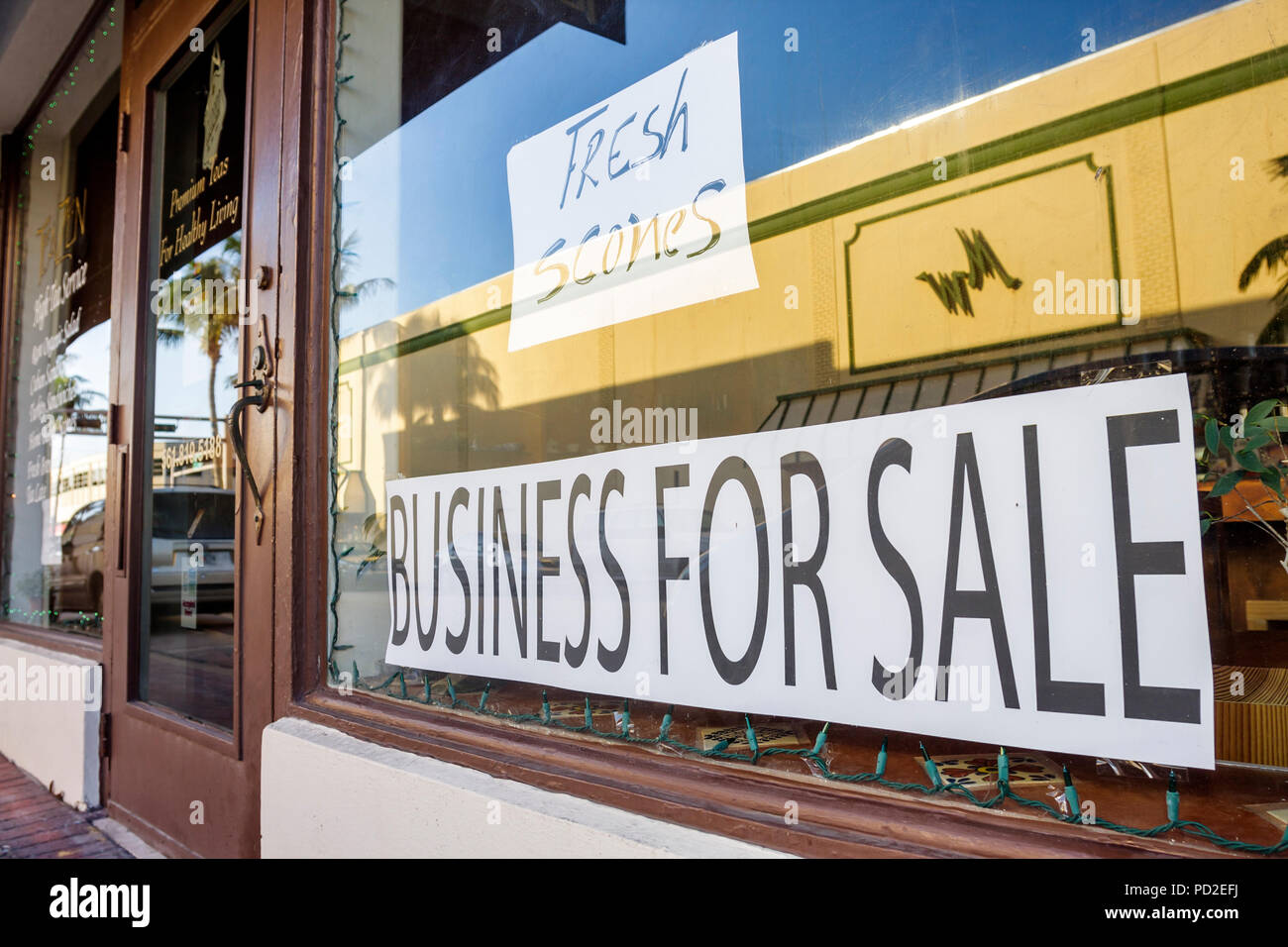
For profitable, well-documented restaurants, there is consistent buyer interest. Retirements continue to drive supply. Corporate refugees look to hospitality with romantic expectations, so the best brokers educate them quickly. Serious buyers distinguish themselves by visiting as customers first, then asking surgical questions: daypart mix, cash reconciliation process, and waste tracking. Sellers take those buyers more seriously because they speak the operator’s language.
A quick map of neighbourhood dynamics
Downtown and Richmond Row bring nightlife and event-driven spikes, balanced by weekday lunch if offices stay active. Old East Village has a loyal local base and a food-forward identity, but concepts must plug into the community rather than parachute in with a generic menu. Hyde Park and Westmount can support family casual and bakery café hybrids with parking and drive-by visibility. Near-campus corridors reward speed and price, yet suffer summer dips that a savvy buyer should model. Understanding these micro-markets changes your assumptions about staffing and hours more than anything you’ll read in a generic guide.

Last word for buyers and sellers
If your instinct is to buy a business in London Ontario or to prepare one for sale, approach it with humility and rigor. Great hospitality looks effortless to guests because the hard work is hidden. The businesses that trade at fair prices and go on to thrive share the same traits: clean numbers, sensible leases, focused menus, and leadership that cares about details. Whether you work with generalist firms or niche outfits like liquid sunset business brokers and sunset business brokers, you will benefit from partners who know the cadence of this market and can help you avoid chasing the wrong shiny object.
The opportunity is here for disciplined operators. If you respect the math, listen to your street, and move in increments, London’s hospitality scene will give you a shot at durable cash flow and a business you are proud to own. For anyone serious about buying a business in London or selling one, the path starts with clarity: what problem your concept solves for guests, why your location earns its rent, and how your systems make good days repeatable. The rest is execution.